Sleep science

Why Bedtime Stories Help Child Development

Bedtime stories improve more than language. They strengthen closeness, attention, and emotional regulation at the exact moment children need it most.

By UdayyReviewed by Editorial review5 min read

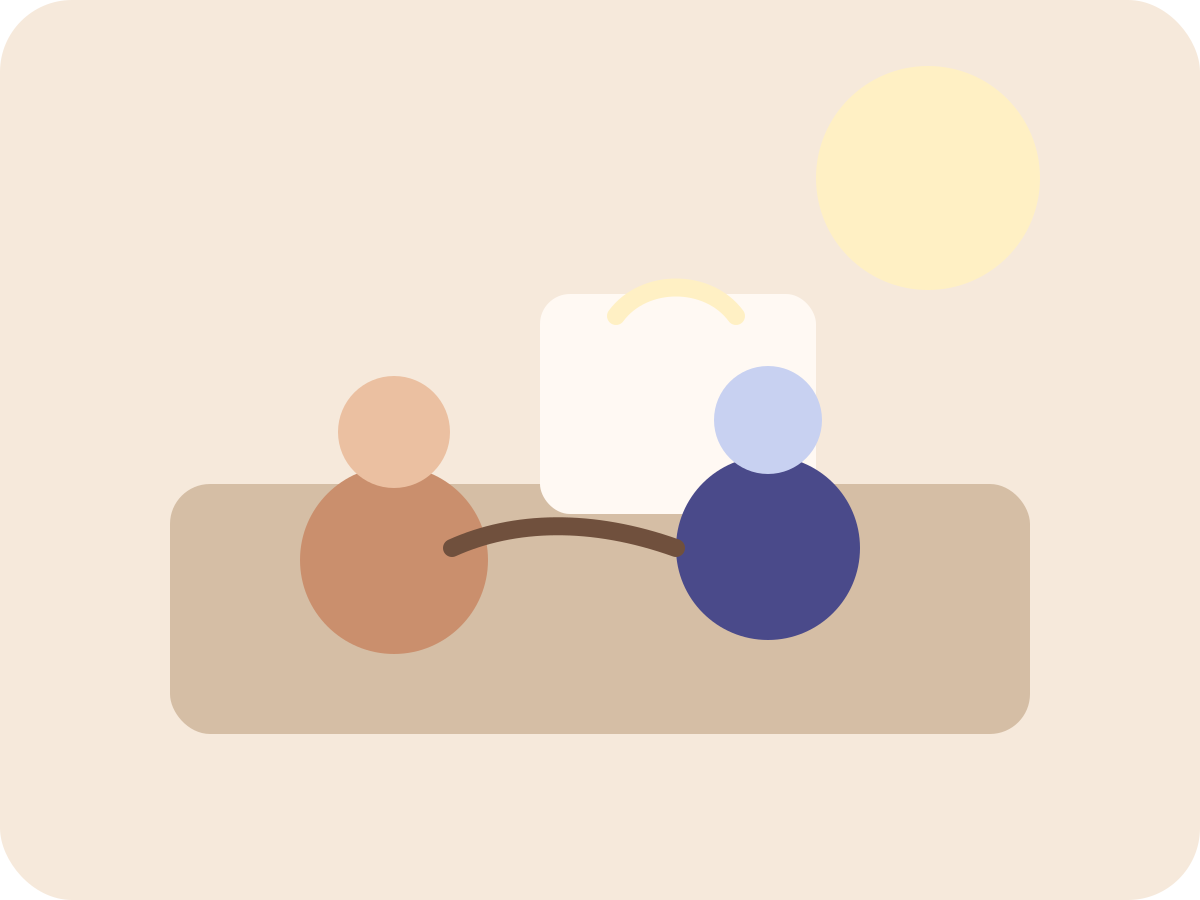
Stories create a rare pocket of shared attention. In a typical day, children receive lots of instructions and interruptions. Story time reverses that. The parent sits close, the pace slows down, and language becomes gentle.

This matters because the body learns from rhythm. Repeated bedtime reading helps children predict what comes next, and predictability is deeply calming.

Stories also offer emotional rehearsal. Children hear about bravery, worry, kindness, mistakes, and repair in a low-stakes format. That gives them language for their own feelings long before they can explain them clearly.


Sleep hub

Return to the full guide library if tonight's issue is different from this article.

Browse sleep hub

Story shelf

Use a story right after the advice so the routine ends on something soothing and concrete.

Open stories

Lullaby shelf

Layer in a calmer audio cue when the room still feels too active after reading.

Open lullabies

Current company page

Legacy company and brand links now resolve to a page that explains the current product honestly.

Read about Udayy

Free printable

Send the next bedtime tool to your inbox

Pair the guide with a printable chart, lyric sheet, or sleep tracker so the advice survives contact with bedtime.

routine chart

Printable bedtime routine chart

A calm, parent-friendly routine chart for toddlers and preschoolers.

coloring pages

Story coloring pages

Simple line-art coloring pages that keep the bedtime theme alive without screens.